
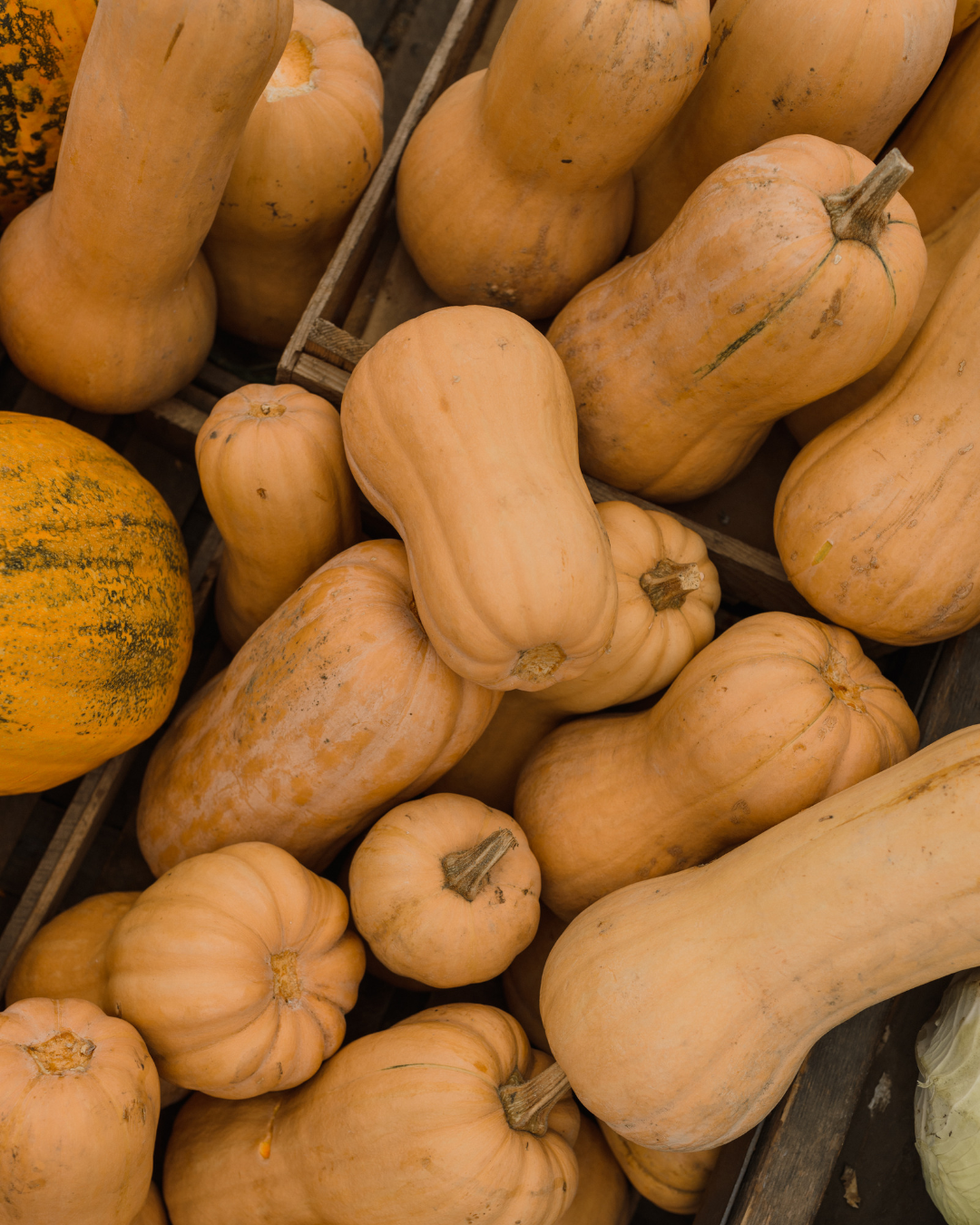
November is all about fall flavors and harvest and Thanksgiving. For me, Thanksgiving has always been a special time to celebrate family and the things we are grateful for in our lives. But it was also an awful lot of work. Over the years, I came up with some tweaks to make the day easier, while still keeping the flavors traditional. Here are a couple of those tweaks.
By Abby Schweber
Butternut Squash Caponata
Roasted winter squashes, like pumpkin, acorn, or butternut, are popular Thanksgiving side dishes. The problem is that they need to be served hot, which means that they compete with other dishes for scarce oven space. This butternut caponata can be made in the morning, or even the day before, and served cold.
Caponata is a Sicilian vegetable dish, traditionally made with eggplant. It incorporates sweet, nutty, and acidic elements, dressed with a sweet and sour sauce. Here I’m using butternut as the main component, craisins for the sweet, pepitas or walnuts for the nutty, and tart Granny Smith apples for the acidic. The punchy flavors provide a nice contrast to more hearty tastes of turkey and gravy.
Ingredients
1 butternut squash*
2 Tbs. EVOO
2 tsp. salt
1 cup pepitas or chopped walnuts
1.5 cups craisins
2 Tbs. honey*
2 Tbs. apple cider vinegar
½ tsp. cinnamon
1 large Granny Smith apple
*These ingredients can be found at the Harrisonburg Farmers Market, check What’s Fresh to see what’s in season
Method
Preheat oven to 425 degrees.
Cut butternut into ½” cubes. Place on an oven sheet, drizzle on the oil and scatter on a teaspoon of salt, then toss until all the pieces are coated. Roast for 10 minutes. Use a spatula to turn the butternut, then roast for another 10-15 minutes, or until browned and cooked through.
Toast pepitas or walnuts in a dry frying pan on medium low heat for 3-5 minutes, stirring regularly, or in the oven at 350 for 7-10 minutes. You know they are ready when they smell toasty.
Cut apple into ½” cubes.
In a medium bowl, whisk vinegar, honey, cinnamon, and remaining teaspoon of salt until smooth. Add remaining ingredients and toss gently.
Pennsylvania Dutch Potato Stuffing
Mashed potatoes and stuffing are both popular Thanksgiving dishes, but they are both quite filling and leave less room for everything else. This dish combines the two, giving you the comforting texture of mashed potatoes with the nostalgic flavors of stuffing. Unlike most stuffing recipes, where the bread and seasonings are bound together with egg, in this dish mashed potato fills that function. This makes it safe to assemble a day or two ahead of time, and just bake it on the day. It is traditionally made with stale bread, but you can just toast fresh bread to get the same effect.
While much of Pennsylvania Dutch cooking comes from Germany, this potato filling was invented in Pennsylvania in the 1700s. It was originally an actual stuffing, cooked inside of roasted meats (in early recipes it was cooked in a pig’s stomach!) Over time, it evolved into a casserole, often called a ‘filling,’ that is still popular in that community for Christmas, Thanksgiving, and church suppers.
Ingredients
2 large russet potatoes* (2.5-3 cups when mashed)
½ cup milk
4 slices hearty bread*
3+1 Tbs. unsalted butter
2 sticks celery*
1 medium onion*
¼ cup fresh parsley*
1 tsp. salt
¼ tsp. pepper
1 tsp. dried thyme or sage
*These ingredients can be found at the Harrisonburg Farmers Market, check What’s Fresh to see what’s in season
Method
Preheat oven to 350 degrees.
Peel and cube the potatoes. Boil in water until soft. Drain and mash until smooth, adding milk ¼ cup at a time.
If your bread is fresh, lightly toast it. Cut bread into ½” cubes.
Finely chop onion and celery. Finely chop parsley.
Melt 3 tablespoons of butter in a large frying pan on medium heat, then sauté the onion and celery in the butter for 5 minutes. Add the bread cubes, parsley, salt, pepper, and dried herbs, and continue to cook, stirring occasionally, for 5 more minutes.
Take the pan off the heat, add the potato, and stir until just combined.
Use spray oil or butter to grease a 1.5-2 quart casserole dish (8”x8”, 9”x9”, or similar). Spoon in the mixture and dot the top with the remaining tablespoon of butter. Bake until golden brown on top, about 40 – 45 minutes.
